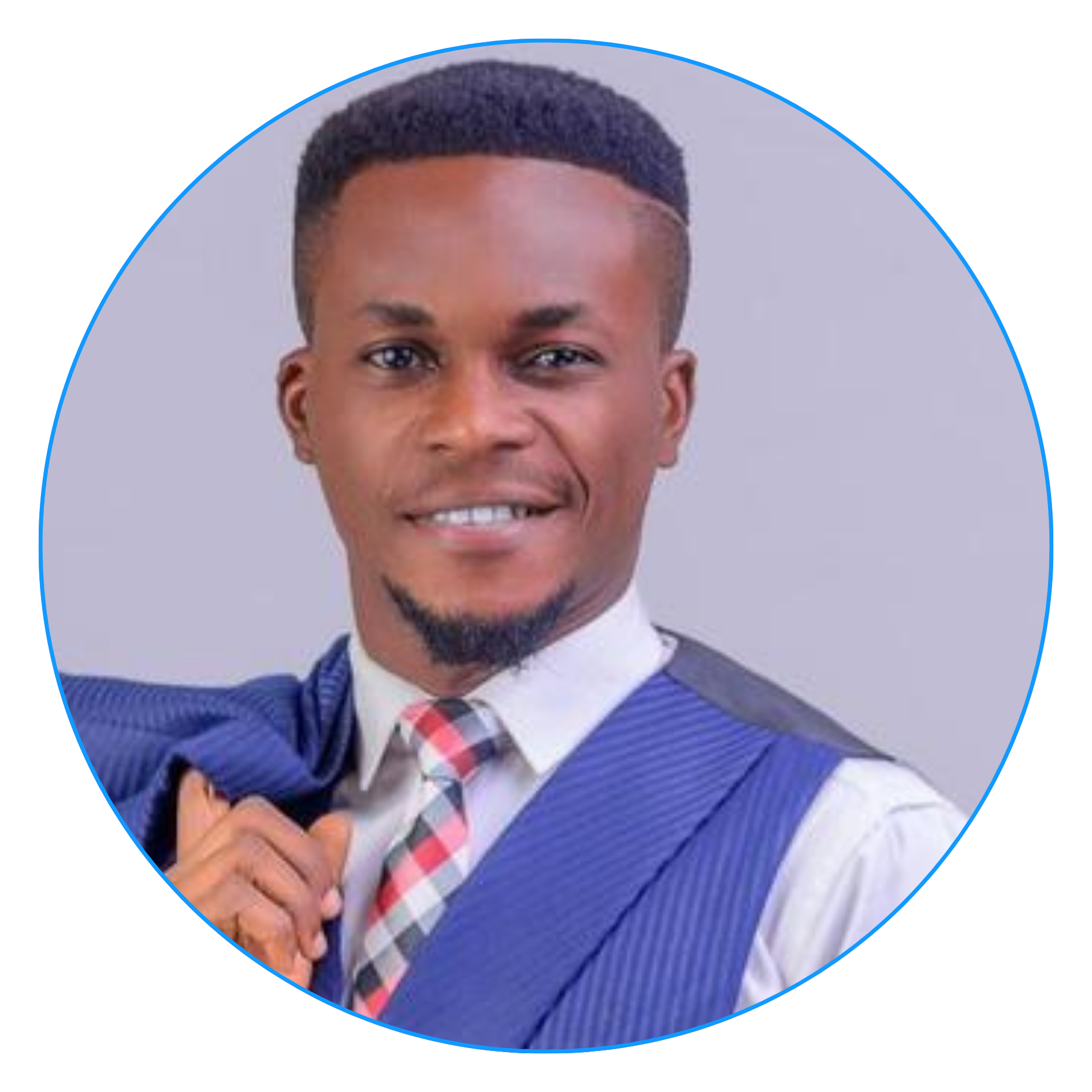
 he/him/his
Abiola Ayodele
MS / MPH Candidate
Western Illinois University
Macomb, IL
DEMOCRATIZING PUBLIC HEALTH THROUGH SOCIAL JUSTICE
Emerging thought leaders advancing health equity through podcasts, storytelling, and community-led inquiry. Spring 2026 cohort, April through July 2026.
he/him/his
MS / MPH Candidate
Western Illinois University
Macomb, IL
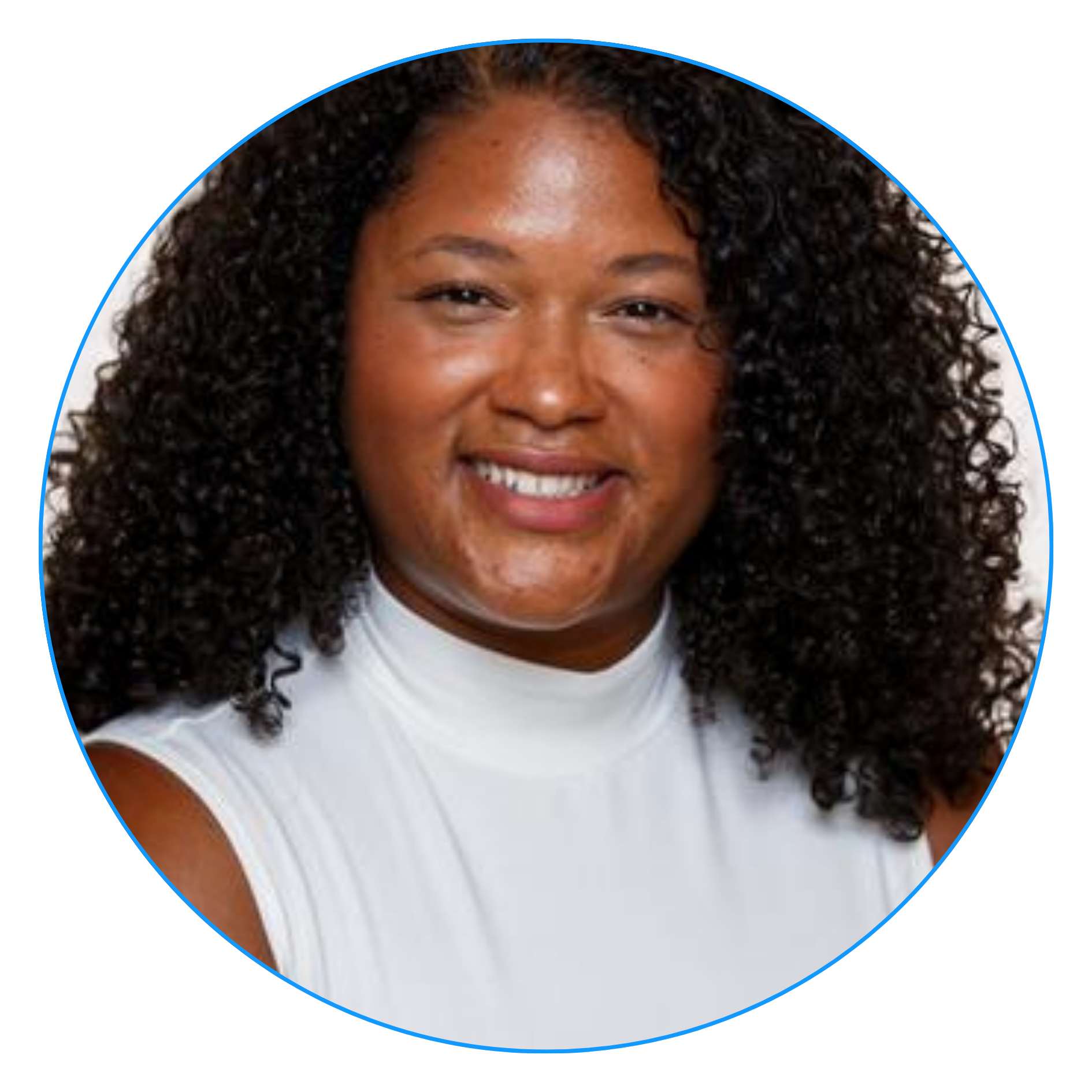 she/her/ella
PharmD, BC-ADM, CDCES
Primary Care Clinical Pharmacist
Hyattsville, MD
 she/her/hers
MS / MPH Candidate
Harvard T.H. Chan School of Public Health and Harvard Medical School
Community Care
MS / MPH Candidate, Western Illinois University, Macomb, IL
Abiola Ayodele is a public health professional specializing in environmental health and occupational safety, with experience in workplace risk assessment, safety program development, and health promotion. He is an active member of the American Society of Safety Professionals and the Occupational Safety Society of Nigeria, and currently contributes to Canadian Occupational Safety magazine.
He has led projects translating health research into practical interventions and produced content that makes complex public health issues accessible. With three to four years of journalism experience before pivoting into environmental and occupational health and safety, he brings strong skills in research, communication, and storytelling, allowing him to translate complex public health issues into ideas that resonate and inspire action.
2026 Fellowship Podcast: Let's Talk EHS
Most people hear the word "ergonomics" and think office chairs, standing desks, and posture. Abiola and special guest Morgan Meneses, an experienced risk control consultant, discuss how ergonomics can support human well-being, improve performance, and create healthier, safer workplaces, and how organizational policies, leadership decisions, and emerging technologies shape the future of workplace health.
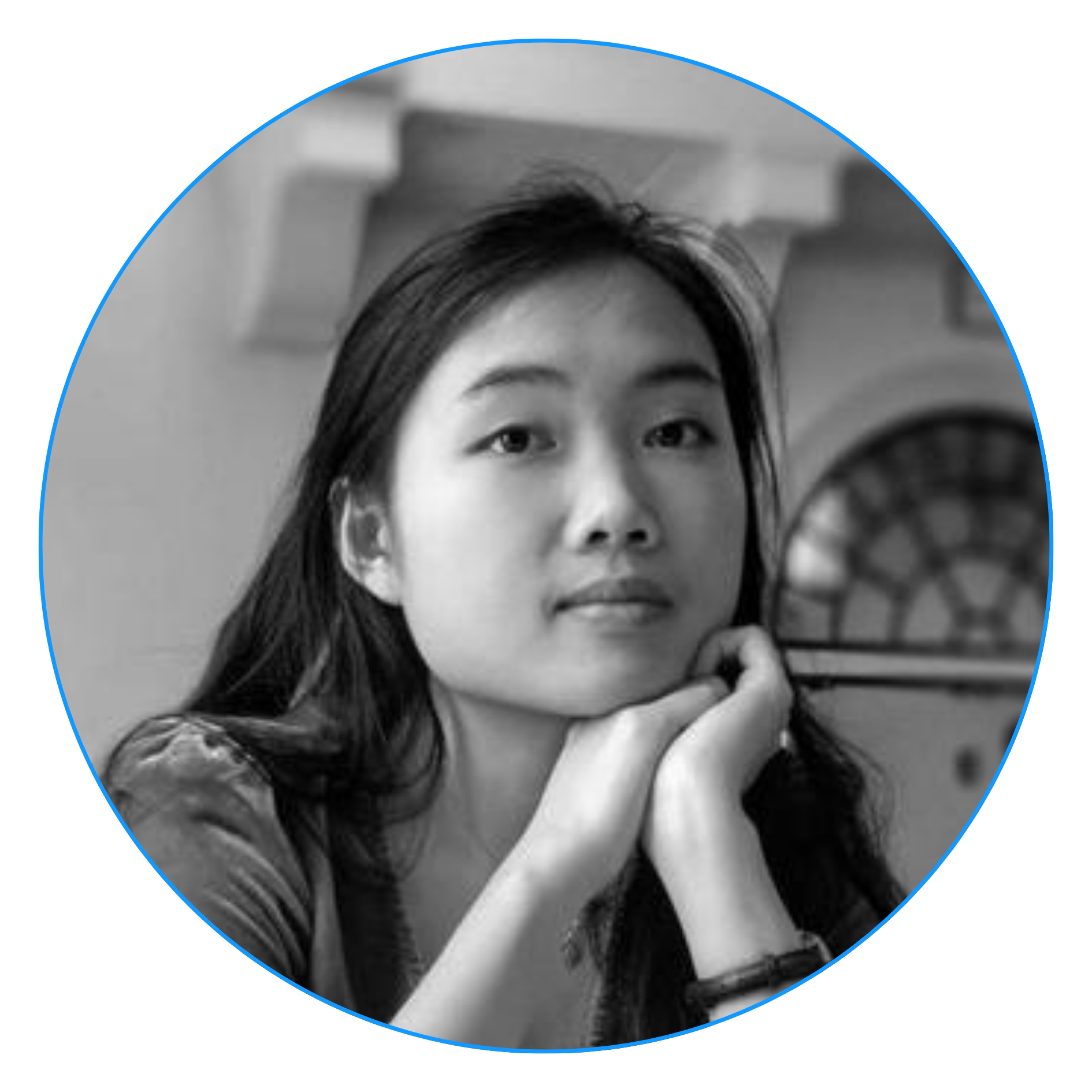
PharmD, BC-ADM, CDCES, Primary Care Clinical Pharmacist and Diabetes Care Specialist, Hyattsville, MD
Dr. Paola Acevedo is a primary care clinical pharmacist and diabetes care and education specialist with over a decade of experience advancing chronic disease care in underserved, community-based settings. Her work focuses on improving access to diabetes education, medications, and technology for people living with diabetes, while partnering with primary care teams to deliver more equitable and empowering, patient-centered care.
She has led population health initiatives, developed diabetes self-management educational programs, and trained interdisciplinary teams to better support people living with diabetes. She is passionate about reframing chronic disease care by addressing the systemic barriers that shape health outcomes, especially for those in underserved communities, and shifting away from the patient-blaming narrative that has defined how we provide care to vulnerable populations for far too long.
As a BCPH Thought Leader, she hopes to elevate real-world conversations on health equity and the challenges of navigating the health care system, share practical solutions, and use storytelling to drive more compassionate, proactive, and effective models of care.
2026 Fellowship Podcast
This podcast addresses how structural barriers, not just individual behaviors, drive disparities in diabetes outcomes, especially in underserved communities. It unpacks the systems behind the "non-adherent" label, from insurance design and prior authorization to medication costs and access to diabetes technology.
Featured Guests
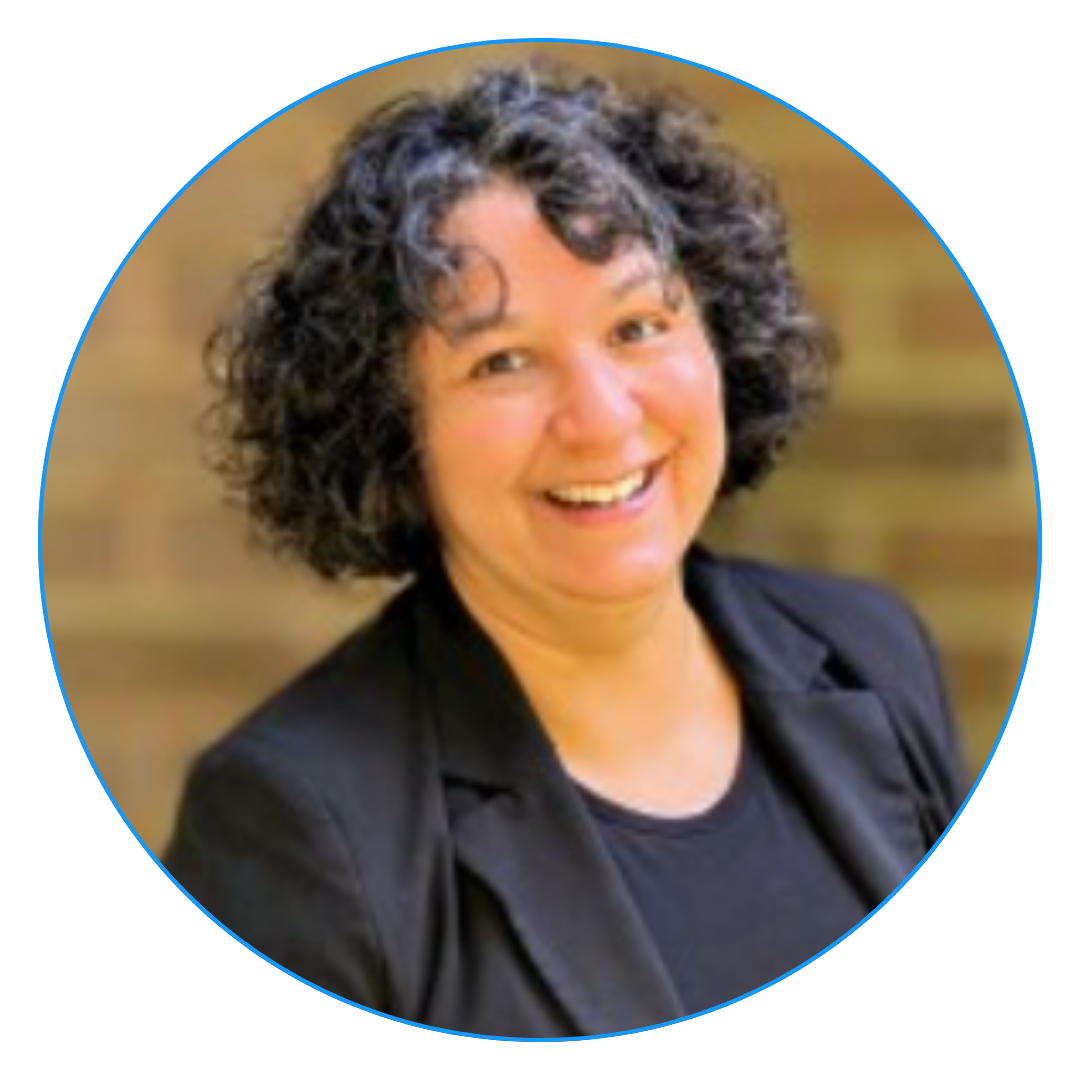
Barbara Dominguez, FNP-BC
Family Nurse Practitioner and Director of Advanced Licensed Practitioners, Unity Health Care
Barbara Dominguez is a family nurse practitioner with extensive experience in underserved communities in Washington, DC. At Unity Health Care, the largest federally qualified health center in DC, she has advanced from primary care provider to serve simultaneously as Director of Advanced Practice Practitioners, Core Preceptor for the Post-Master's Family Nurse Practitioner Residency, and Hypertension Quality Improvement Lead, among other responsibilities. She also serves as Graduate Placement Coordinator at the Catholic University of America, bridging academic preparation and clinical practice, and is a passionate advocate for nurse practitioners in DC, currently serving her second term as President of the Nurse Practitioner Association of the District of Columbia.
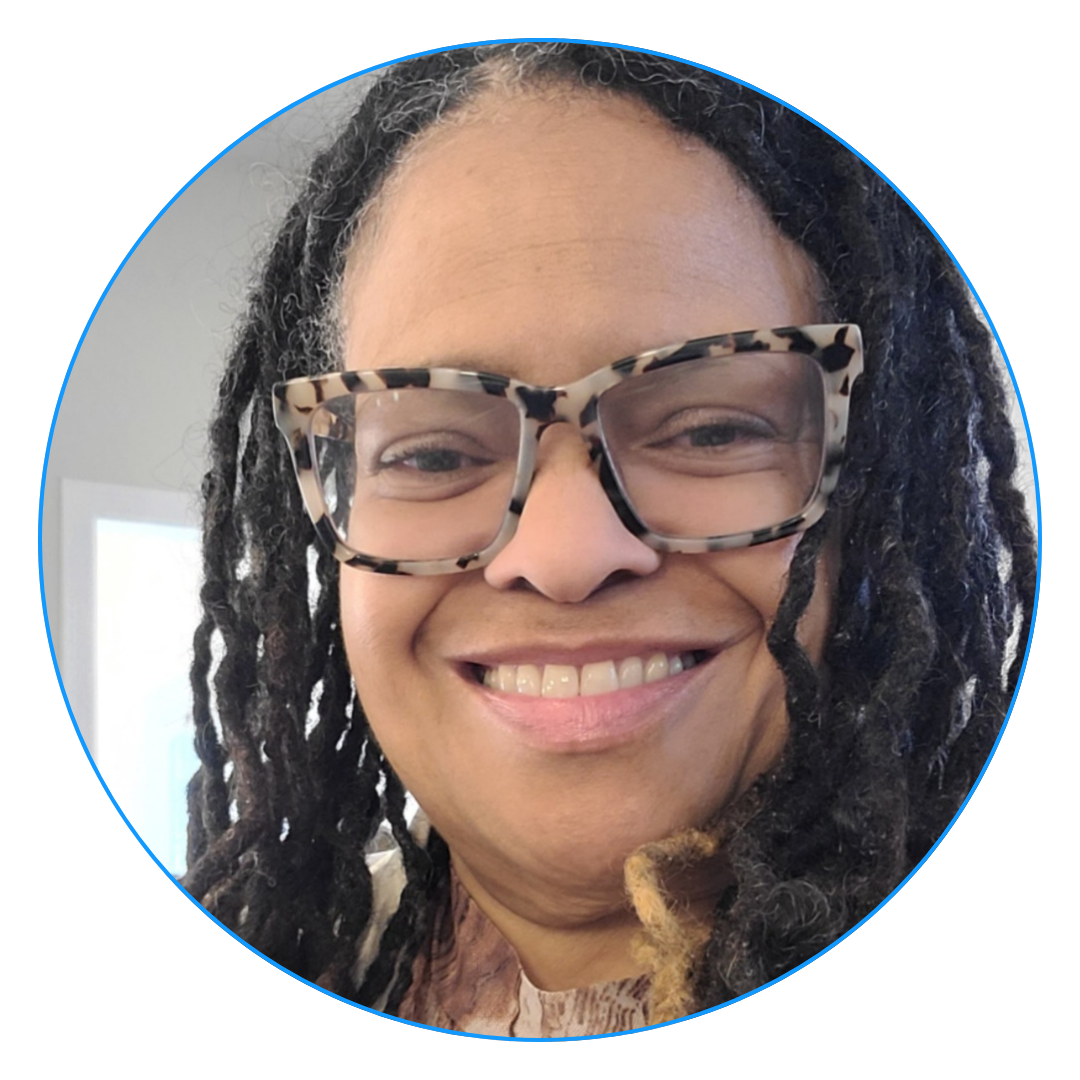
Dr. Darlene Lawrence, MD, FAAFP, DABFM
Family Medicine Physician and Associate Program Director, TWC GME NFMR-DC, Unity Health Care
Darlene Lawrence, MD, FAAFP, is a board-certified family physician who graduated from Georgetown University School of Medicine and completed her residency at the Georgetown/Providence Family Medicine Residency Program in her hometown of Washington, DC. She has provided full-service family medicine, including obstetrics, for 36 years and has taught medical students and family medicine residents for more than 33 years. She is currently Associate Program Director of The Wright Center for Graduate Medical Education Family Medicine Residency Program at Unity Health Care at Parkside Health Center, where she directs advising, Balint, Practice Management, and Resident Wellness. She is a proud wife, parent of four, and dog mom of two, and is active in her community, church, and Girl Scouts.
MS, MPH Candidate, Harvard T.H. Chan School of Public Health and Harvard Medical School
Josephina Lin is a public health professional dedicated to advancing health equity through community-led, creative, and culturally responsive approaches. She serves as a Research, Communications, and Health Equity Associate at Harvard Medical School where she improves access to free, preventive health care for Boston's underresourced communities.
She holds a Master of Science in Media, Medicine, and Health from Harvard Medical School and is currently a Master of Public Health candidate at Harvard T.H. Chan School of Public Health in Health and Social Behavior with a concentration in Population Mental Health, where her work integrates community-based care, storytelling initiatives, and behavioral health innovation.
Josephina seeks to elevate voices historically marginalized within public health narratives. Through her work in community health, she understands how community insights are often obscured in traditional health systems and hopes to use this fellowship to create a more equitable public health system by integrating community expertise with evidence, crafting accessible public health knowledge, and reimagining how care is delivered and valued.
2026 Fellowship Podcast: Community Care
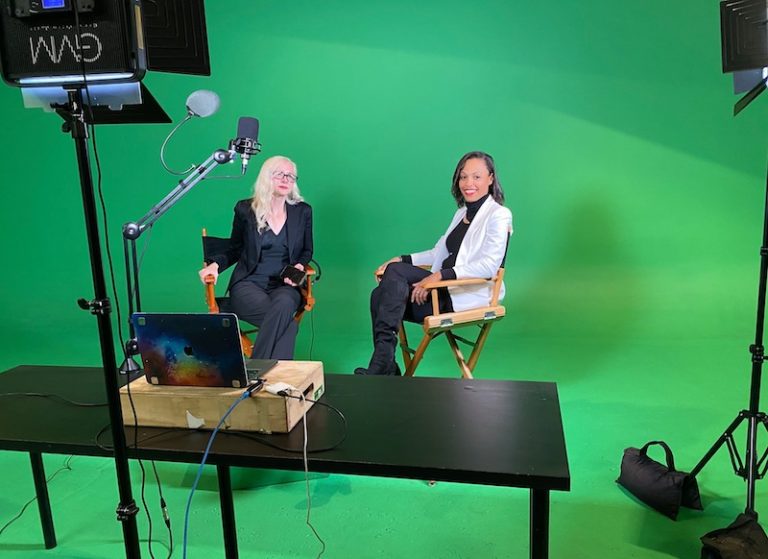
Josephina Lin speaks with Community Health Worker Simone de Oliveira about reimagining community-based mental health to better support under-resourced communities, expand the behavioral health workforce, and bridge gaps in care. The conversation covers adapting Problem Management Plus (PM+), the WHO's evidence-based intervention delivered by trained non-clinical workers, with Boston's communities to address stress, anxiety, and everyday challenges while building resilience and connection.
Featured Guest
Simone de Oliveira
Community Health Worker, Boston, Massachusetts
Simone de Oliveira is a Community Health Worker in Boston, Massachusetts, with hands-on experience implementing Problem Management Plus (PM+), the World Health Organization's evidence-based intervention that trains non-clinical workers to deliver mental health skills, alongside Boston's communities. Drawing on this work, she helps people address stress, anxiety, and everyday challenges while building resilience and connection, and brings a community-centered perspective to expanding the behavioral health workforce and bridging gaps in care for under-resourced communities.
Watch or Listen
Every episode is on BCPH Studio, the Boston Congress of Public Health channel on YouTube.
Abiola Ayodele, Let's Talk EHS
Why do we audit machines more carefully than the people who run them?
 Introduction
Introduction to Let's Talk EHS
 Episode 1
Safety Beyond Compliance: What It Really Takes to Protect People at Work
 Episode 2
Designing for Prevention: What Ergonomics Teaches Us About People, Policy, and Workplace Health
 Episode 3
Lessons from the Headlines: Three Incidents, Three Lessons
Dr. Paola Acevedo
Who is the system that keeps failing patients with diabetes?
Josephina Lin, Community Care
Who is qualified to deliver mental health support?
Subscribe to BCPH Studio on YouTube for new episodes.
Thought Leadership for Public Health Fellowship
The BCPH Thought Leadership for Public Health Fellowship supports new and emerging thought leaders and public scholars. Fellows receive training, support, and networking from BCPH to build a platform and create podcasts on a specific public health interest. Top-performing fellows are invited to continue as columnists on BCPHR.org.
Incubate the next generation of thought leaders in public health.
Advance collective impact for health equity through public health advocacy.
Diversify, democratize, and broaden evidence-based public health dialogue and expression.
Yes. Watch the recorded information session on BCPH Studio.
Anyone working toward or holding a secondary or post-secondary degree (for example, BA, BS, MPH, MS, MA, DrPH, or PhD), or with significant work experience. Recent high school graduates with a very strong vision will be considered. Applicants need strong writing skills suited to a non-scientific audience.
A combination of:
Design and video editing skills aren't required, but they help.
BCPH takes a broad view: anything related to the health of communities and populations, beyond the individual, can apply. Preference goes to topics related to health equity or overlooked in mainstream public health. Browse BCPHR.org for the range of topics past fellows have covered.
BCPH selects 5 to 10 fellows per cohort. For the inaugural cohort, 27% of applicants were selected; for the second cohort, 24%.
BCPH balances diversity of focus area within public health, geographic region, and lived experience. Each applicant is considered as a whole: what they would gain from the fellowship and what they would bring to a balanced cohort.
It varies. Weekly trainings during the 2-month training period take up to 2 hours, including preparation. Each post takes anywhere from a day to a week, depending on research, scheduling, revision, and audio and video editing.
Each fellow defines their own audience based on their perspective and public health interest, and the audience may shift from post to post. Fellows are expected to identify and write for the audience best suited to each post.
No. Fellows can adjust their content based on feedback from senior fellowship staff and guest expert trainings, while keeping to the spirit of the themes proposed in their application.
All content published on BCPH and BCPHR platforms remains the property of the fellows.
Past Cohorts