
“All models are wrong, but some are useful”- Dr. George Box, Statistician of experimental design and randomization (1)
A separation from reality in the form of hallucinations, delusions, and disorganized thinking, psychosis is one of the most devastating and elusive mental conditions. While psychosis can be precipitated by mood disorders or a variety of other medical conditions, it was in 1911 that Dr. Eugene Bleuler, building on the work of Dr. Emil Kraeplin, first labeled a series of primary psychotic presentations as schizophrenia. Since that time, psychiatry has struggled to identify a clear biological mechanism for these syndromes, rendering treatment often incomplete. While schizophrenia is likely a confluence of genetic vulnerability and environmental stressors, timely diagnosis remains crucial in improving patient outcomes (2,3).
With the rise of machine learning in medicine, psychiatric research has turned to artificial intelligence (A.I.) in early detection, defining a unifying biological mechanism, and potentially managing symptoms of schizophrenia. Patients with schizophrenia are socially marginalized, face significantly racialized disparities, and are at increased risk of restricted agency (4,5). Consequently, without critical examination of machine learning, we risk widening inequities and increasing disease burden in patients with schizophrenia. In examining the risk of bias in A.I.-driven prediction, diagnosis, and treatment assistance, we mitigate the damage of applying imperfect modeling to an incompletely understood syndrome.
In most cases of schizophrenia, symptom onset occurs in late adolescence to early adulthood. Earlier onset is associated with poorer functioning and increased mortality by over a decade. Preceding a first episode of frank psychosis, families often report in hindsight changes in behavior such as apathy or low motivation a few years prior to fully emergent symptoms(6). Thus, researchers have been keenly interested in more accurately identifying youth most likely to develop psychosis before crossing the threshold of a first break.
A.I. allows for mass data collection and parallel processing of information such as language patterns, facial expressions, tonal changes, and gestures to identify behaviors associated with psychotic progression. Several studies have established language processing as predictive of schizophrenia. For example, conversion to psychosis by a group of Reddit users was predicted with 93% accuracy when A.I. was trained to identify low semantic density (speech without content) and higher than average reference to sounds and voices (7). Other studies have identified even greater accuracy in prediction of psychosis by evaluating fluctuations in coherence of speech combined with excess use of possessive pronouns(8,9).
Beyond risk assessment, there are efforts to “objectify” the diagnosis of schizophrenia utilizing machine learning. In other words, can A.I. provide measurable and consistently verifiable diagnosis of schizophrenia better than human counterparts? Current research using A.I. for diagnosis are based on algorithm training using functional magnetic resonance imaging and electroencephalogram studies of the brain of patients with known schizophrenia to identify diagnostic anatomical patterns (10). It’s important to note that there is no consensus that specific anatomical or metabolic changes in the brain are directly linked to the diagnosis, only inferences based on symptoms and difficulty with aspects of neuropsychological testing (10). That said, small studies of functional MRIs and machines testing various cognitive variables result in about a 75% success rate in differentiating healthy individuals from those with symptoms of first episode psychosis (10,11).
While encouraging, this research gives us significant cause to proceed with caution. Studies have demonstrated that when data of greater than 100-200 patients with known psychotic symptoms are fed to machine learning, predictive accuracy decreases (11,12). This is particularly relevant given the expansion of research utilizing such neuroimaging studies to detect treatment resistance and assess response to a given therapeutic intervention. The bar for A.I. having an advantage would be that it has greater diagnostic precision than a human physician. As sample size increases, the research demonstrates that such consistency is lacking. Psychosis itself, antipsychotic treatment, and potential treatment resistance all come with unique risks that underscore the importance of precision and accuracy in diagnosis. The A.I. research to this point reiterates the fundamental difficulty of schizophrenia diagnosis driving the effort to pursue machine learning in the first place.
The accurate prediction of conversion to schizophrenia relies on a reliable definition of the disease state itself. However, our understanding of the heterogenous set of syndromes is based on subjective report and observed behavior without a specific marker to confirm the disease. The diagnosis of schizophrenia is often itself a bias. For example, in western nations, ethnic minorities and immigrants are more often diagnosed with schizophrenia (13,14,15). More specifically, in the United States black patients are more likely to be overdiagnosed with schizophrenia compared to bipolar disorder leading to significant delays in treatment and poorer lifetime outcomes (16, 17).

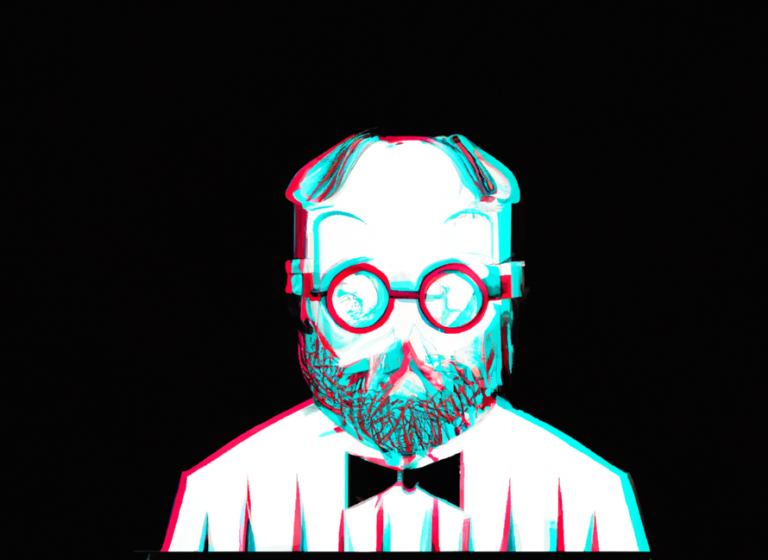
These biases directly contradict repeated population level studies that show the prevalence of schizophrenia to be fairly consistent worldwide (6). It is not merely hypothetical that machine learning may pick up on this bias of misdiagnosis or discrimination against patients with schizophrenia. The A.I. program Midjourney, a text to image software, consistently produces more grotesque and frightening images of negative connotations when given a prompt of schizophrenia (18). Already, A.I. demonstrates the capacity to replicate our most harmful stereotypes and bias.
The use of predictive tools, particularly those mining data from social media, interviews, and other observed recordings raise significant concerns regarding patient autonomy. Consider adolescent screening using the previously described text recognition. Implementation of any diagnostic or treatment modality requires informed consent, meaning a patient is sufficiently educated about the risks and benefits of an intervention. With such mass data collection and consistent monitoring required for A.I. screening, how can we define the scope and risks of utilizing the information collected? Additionally, there are vast differences in technological fluency that could impact the accuracy of screening, running the risk of doing injustice for rural or socioeconomically disadvantaged patients (6,19). Finally, with the weight of stigma, what are the adverse effects the individual may have by simply possessing knowledge of their high risk status (20).
The distress and debility caused by schizophrenia as a syndrome is inarguable. While we have made strides in understanding of the disorder, diagnosis and treatment still fall short. Thus, to harness tools capable of recognizing the disease and perhaps even elucidating a unifying biological mechanism is more than worthy cause. However, we must understand the limitations of our models and the weight of inequity that hangs over mental health more generally. Ultimately, the bias and imperfections of diagnosing schizophrenia with machine learning is driven by the bias, imperfections, and inequities that permeate our current health ecosystem. These risks highlight the difficulty of applying A.I. to broad, heterogenous expressions of serious mental illness and the patients that ultimately suffer from it.
The mission of the Boston Congress of Public Health Thought Leadership for Public Health Fellowship (BCPH Fellowship) seeks to:
It is guided by an overall vision to provide a platform, training, and support network for the next generation of public health thought leaders and public scholars to explore and grow their voice.